The archive.
Deep dives and paper breakdowns, newest first.
Team Neuroscience Review · Community
We’re walking to end Alzheimer’s.
We cover this disease closely, and this fall we’re helping fund the fight. On November 14 we walk in Central Park, aiming to raise 10,000 dollars for the Alzheimer’s Association. Every dollar goes straight to them.
- Date
- November 14, 2026
- Location
- Central Park, NYC
- Goal
- $10,000
- Beneficiary
- Alzheimer’s Association
-
When brain development and brain injury collide
A concussion is called a “mild” traumatic brain injury. But what happens when mild injuries repeatedly interrupt a brain that is still building itself?
-
Your brain doesn't run out of room
You get worse at things when you aren't sure which thing you're supposed to be doing. A new study says the reason isn't a lack of mental space. It's that the signal you're trying to ignore grows louder and tangles into the one you need.
-
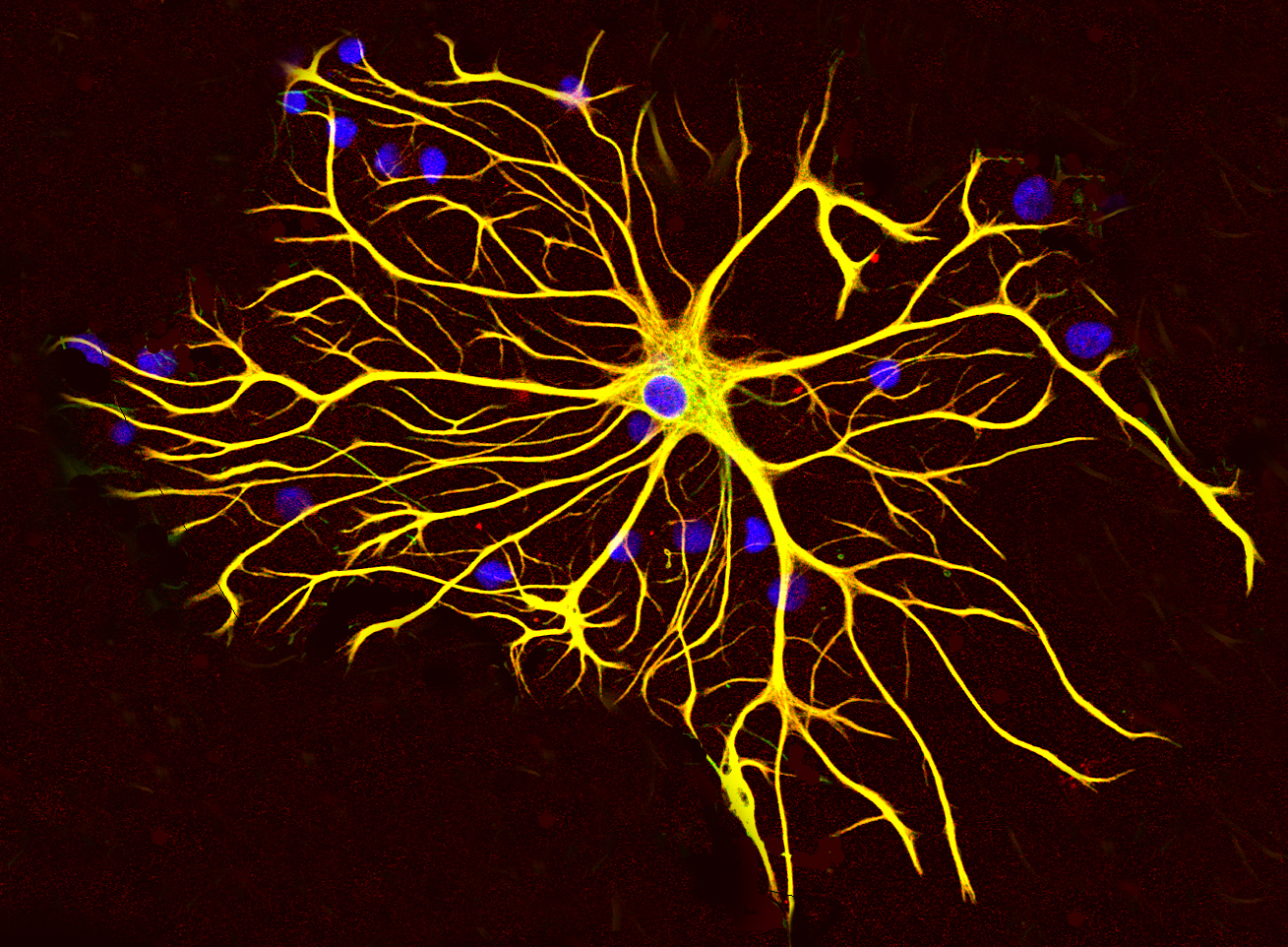
Your brain's support cells keep their own time
Astrocytes were written off as the brain's maintenance crew. A new study in mice catches them forming ordered waves of calcium during a scary memory, and replaying those same waves when the mouse returns to the place it happened but not to a new one.
-
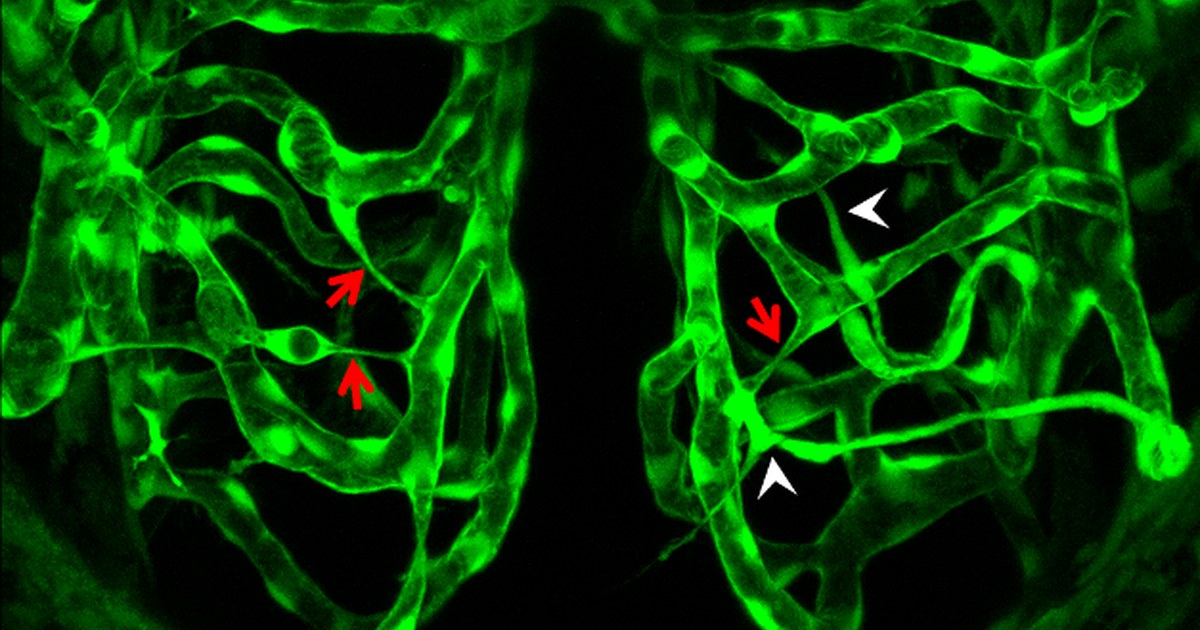
Your brain's plumbing plays favorites
Every fMRI headline rests on one quiet assumption, that blood flow tracks how hard neurons fire. A new study in mice finds the brain's plumbing is wired by the type of input and the cortical layer, so the same amount of activity can move very different amounts of blood.
-
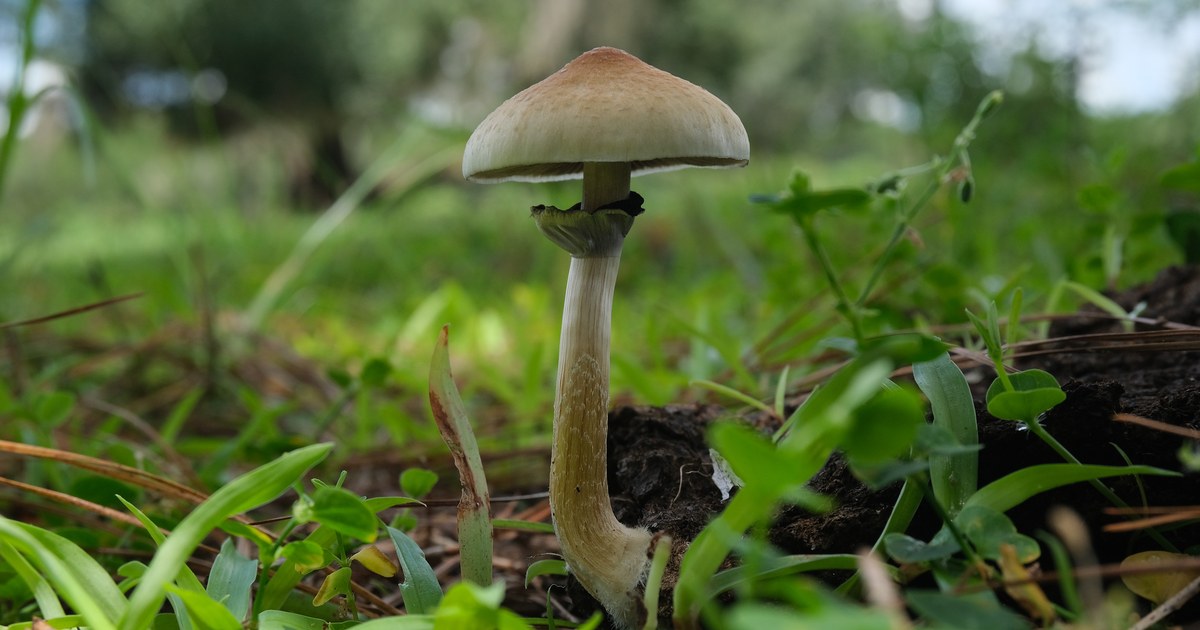
Psychedelics don't scramble your brain. They tune it to the room.
The biggest single-site psilocybin brain-imaging study yet finds hidden order where scientists expected chaos, and gives "set and setting" a real mechanism in the brain.
-
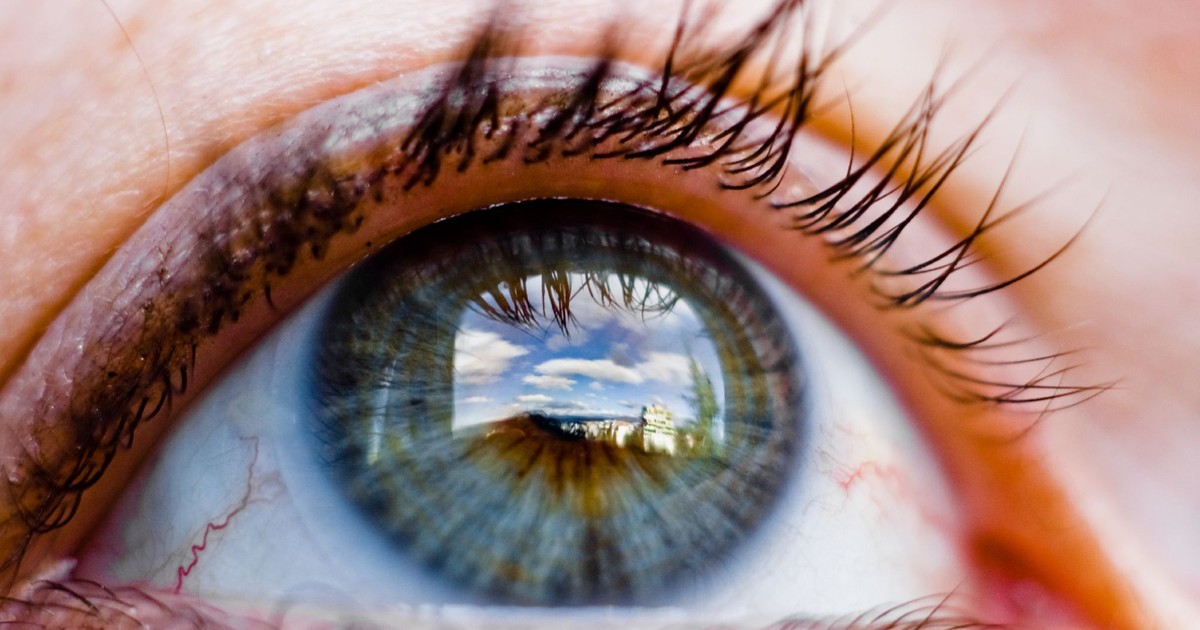
Your brain is guessing
You don't see the world. You see your brain's best guess of it, corrected by the senses. Three illusions you can run on yourself, and the science of why perception works this way.
-

Where you go under anesthesia
Anesthesia does not switch your brain off, it dissolves the conversation between its parts, and you can watch consciousness leave on a monitor. What actually happens when you go under.
-
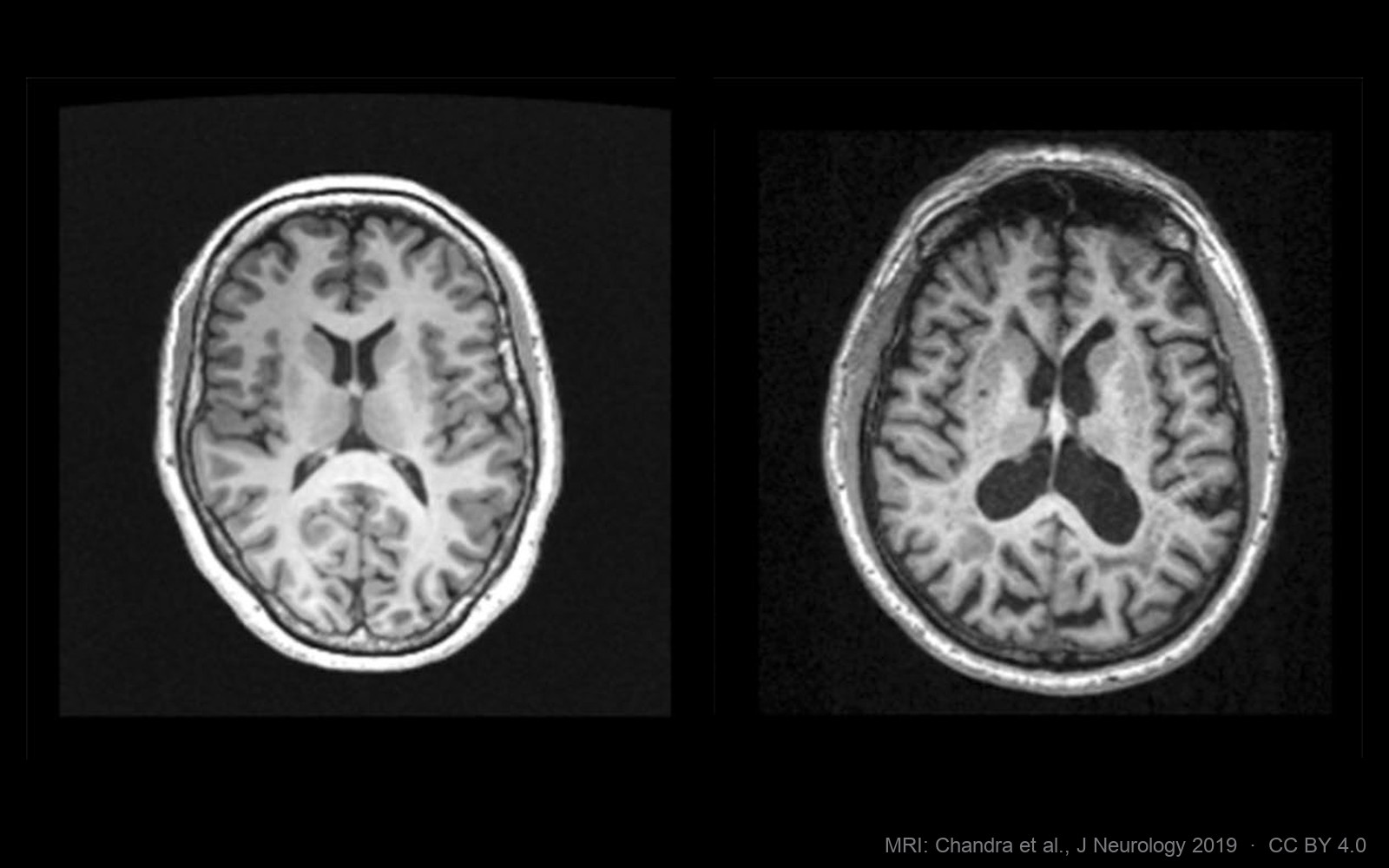
What your midlife numbers say about dementia
A 26-year study found that reaching midlife without high blood pressure, diabetes, or smoking was linked to 12.6 more dementia-free years. The biology of why, and what actually helps.
-

What to know before you try peptides
They’re sold as shortcuts to muscle, healing, weight loss, even a sharper brain. Here’s the honest map of what works, what doesn’t, and where the real risks are.
-
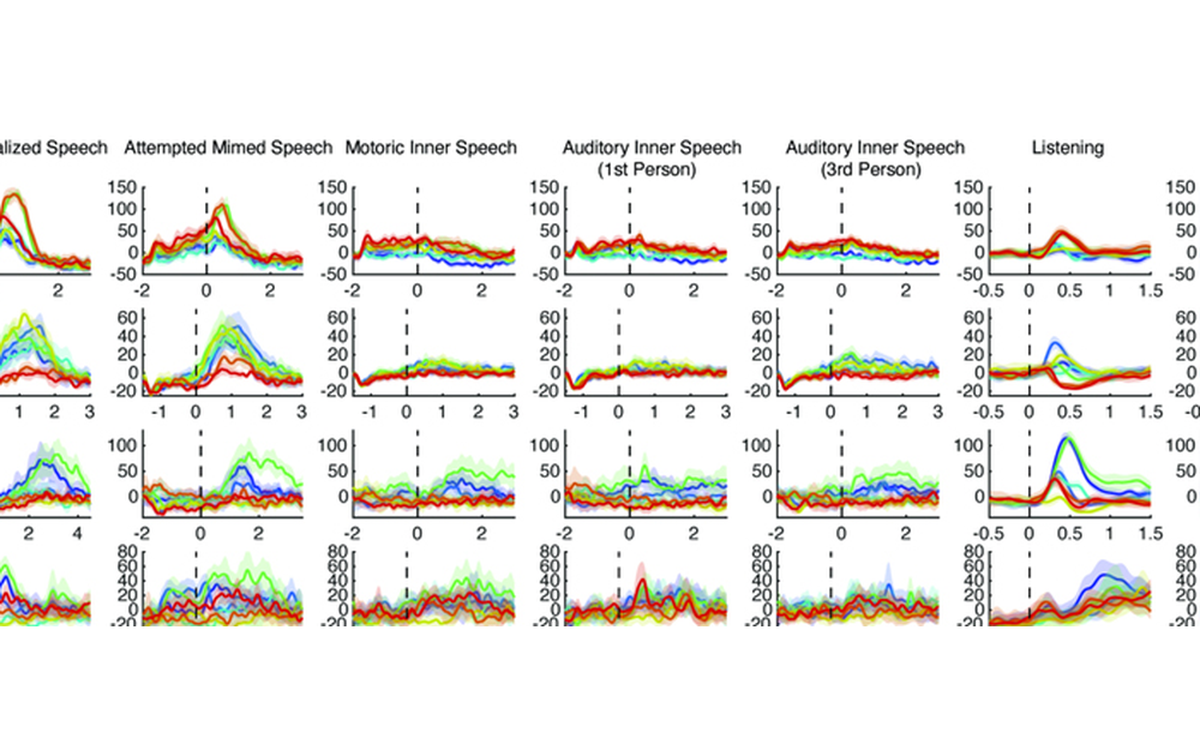
Can a brain implant read the voice in your head?
A brain implant caught sentences a person only imagined. The same study shows how limited, and how careful, that reading has to be.
-
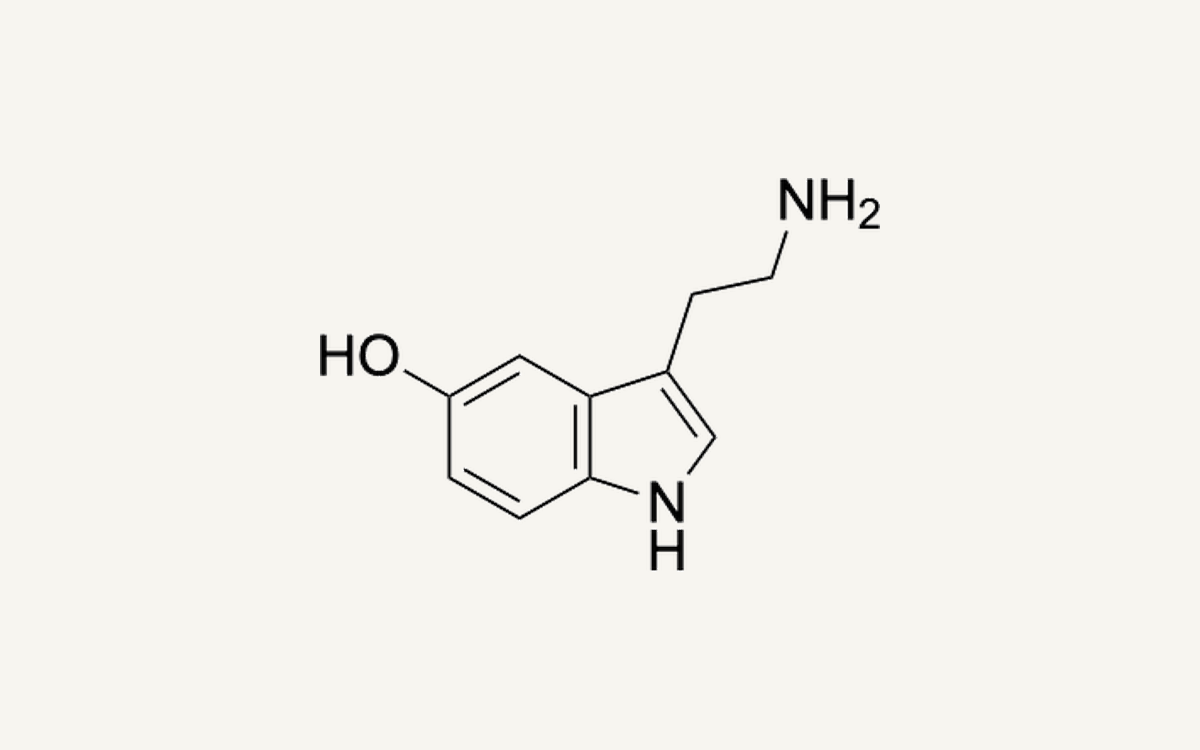
How can one drug treat both depression and anxiety?
The same pill is a first choice for depression and for panic, social anxiety, and OCD. That one fact strains the chemical imbalance story and points at how antidepressants really work.
-

What happens when you put prism glasses on a barn owl?
A young owl in goggles that shift its whole world sideways, and the map of sound in its brain quietly sliding over to match. One of the clearest demonstrations that experience wires the brain.
-
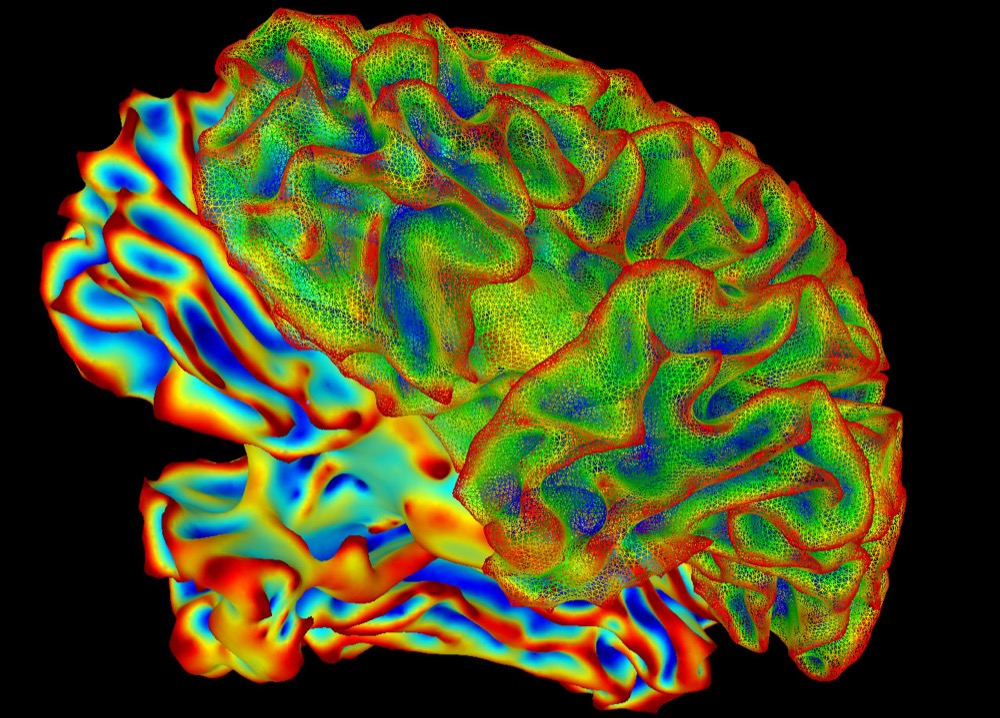
You use all of your brain.
It's one of the most popular myths about the brain. Here's why it's wrong, where it came from, and the stranger truth it was clumsily pointing at.
-
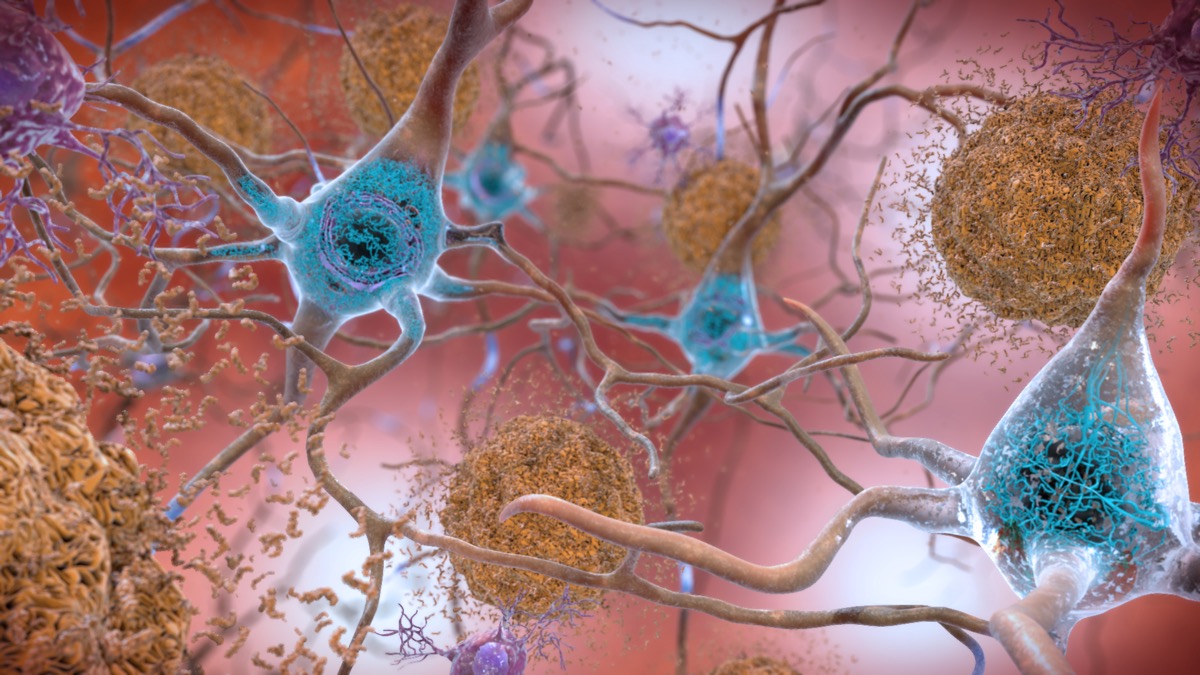
Do the new Alzheimer's drugs actually work?
A landmark 2023 trial cleared amyloid plaque from people's brains with donanemab and slowed their decline. Here's what that really bought, and what it cost.
-
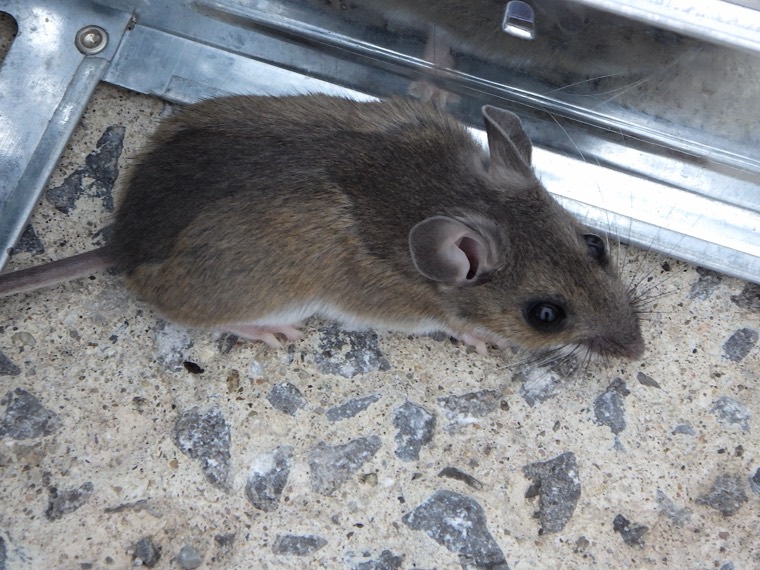
Scientists found an aggression switch in the mouse brain
A 2011 study switched on a pinhead of neurons in the mouse hypothalamus and a calm male attacked almost anything. Here's how aggression got a physical address in the brain.
-

Why do you need to sleep?
You spend a third of your life unconscious and you can't skip it. For something that costly, sleep must be doing real work. Here's what the research says it's for.
-
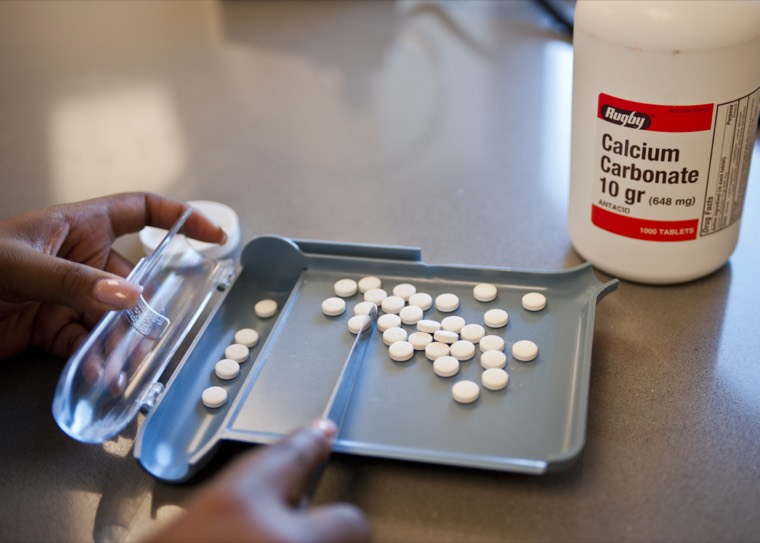
Why can't most drugs reach your brain?
You can swallow a pill and it reaches your whole body, but most drugs never reach your brain. The blood-brain barrier is why, and it's the hardest problem in brain medicine.
-
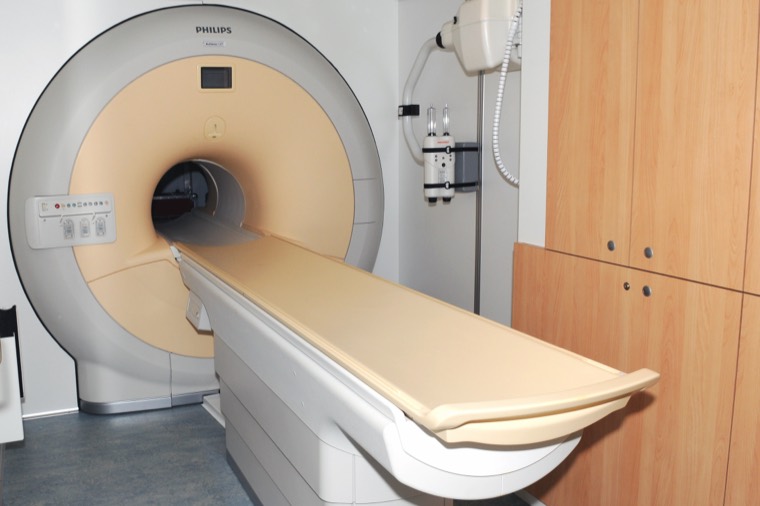
What does an fMRI actually measure?
When a headline says a brain region lit up, what was actually measured? Not thoughts, and not even electricity. Blood, indirectly, and a few seconds late.
-

How does memory actually work?
A memory isn't a recording filed away in a drawer. It's a physical change in your neurons, and your brain rebuilds it every time you remember.
-
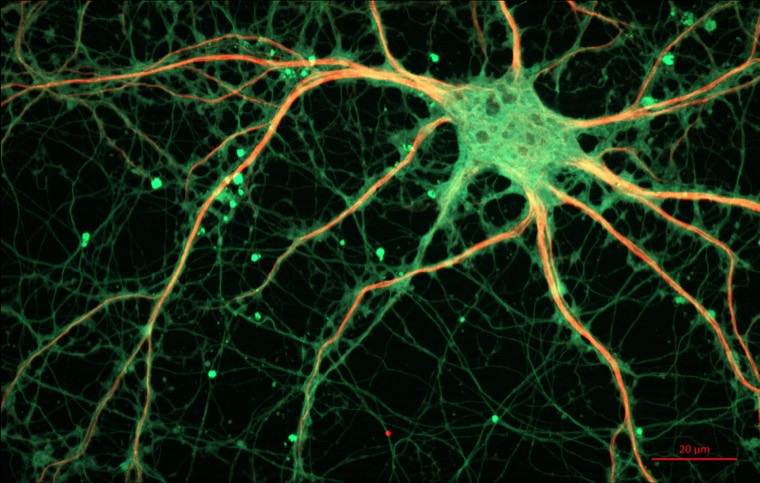
What is a neuron, really?
Most people learned in school that a neuron is "a brain cell that sends signals." That's about as useful as describing a phone as "a thing that sends signals." Let's build it from scratch.
-

Dopamine doesn't do what you think it does.
Dopamine isn't really the "pleasure chemical." It's something stranger and more interesting, and the popular misuse of the word has consequences.